Safety Tips for Cycling the Greenway
Practical advice on visibility, signaling, and sharing the path with pedestrians and other cyclists. Nothing complicated.
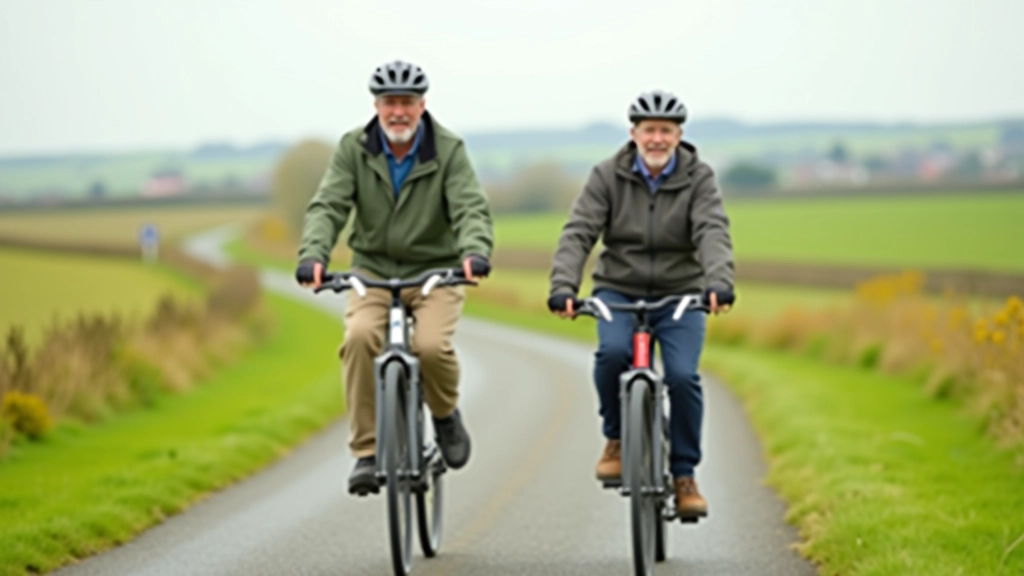
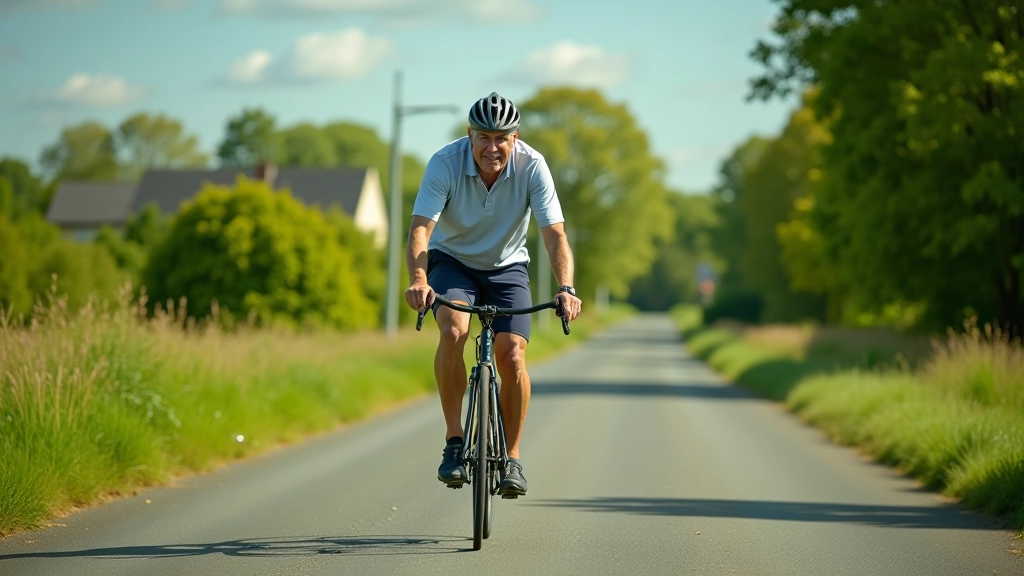
The Athlone to Mullingar greenway is flat, peaceful, and perfect for riders of all abilities. That said, it's a shared space — you'll encounter walkers, joggers, families with kids, and other cyclists. Being safe isn't about being paranoid. It's about being considerate and visible.
We've put together straightforward tips that'll help you stay safe and make everyone's experience on the path better. Most of this is common sense, but there's a few things worth paying attention to.
Key Safety Principles
- Be visible — lights and bright clothing matter
- Make yourself heard — a bell or voice warning works
- Share the space — the path isn't just for cyclists
- Know your bike — basic maintenance prevents accidents
- Ride predictably — sudden movements startle others
Visibility: Being Seen
Most accidents happen because someone didn't see someone else coming. It's preventable.
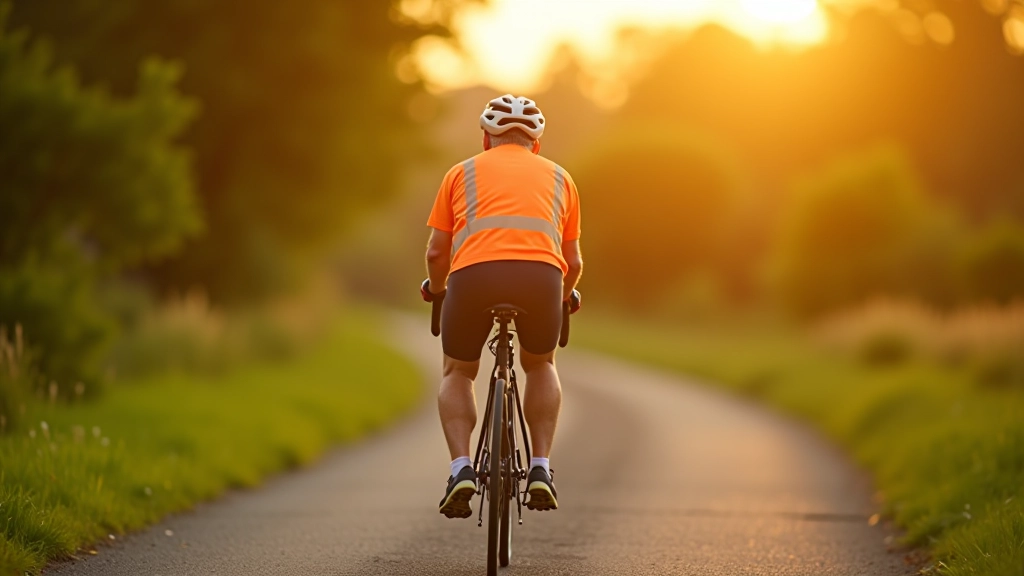
During daylight, you'd think visibility isn't an issue. But here's the thing — on cloudy days or when the sun's at certain angles, cyclists blend into the background. Walkers get distracted. Parents are focused on their kids. Wearing bright colors actually works.
A high-visibility vest or bright jersey makes a real difference. You don't need expensive gear. A neon yellow or orange top works. Orange is actually more visible to the human eye than bright yellow, especially at distance.
Early morning or late evening? That's when lights become essential. A white front light and a red rear light aren't optional — they're necessary. Battery-powered LED lights are cheap now, and they're bright enough that people genuinely see you coming from 50+ meters away. Test yours occasionally to make sure they're working.
Communication: Making Yourself Heard
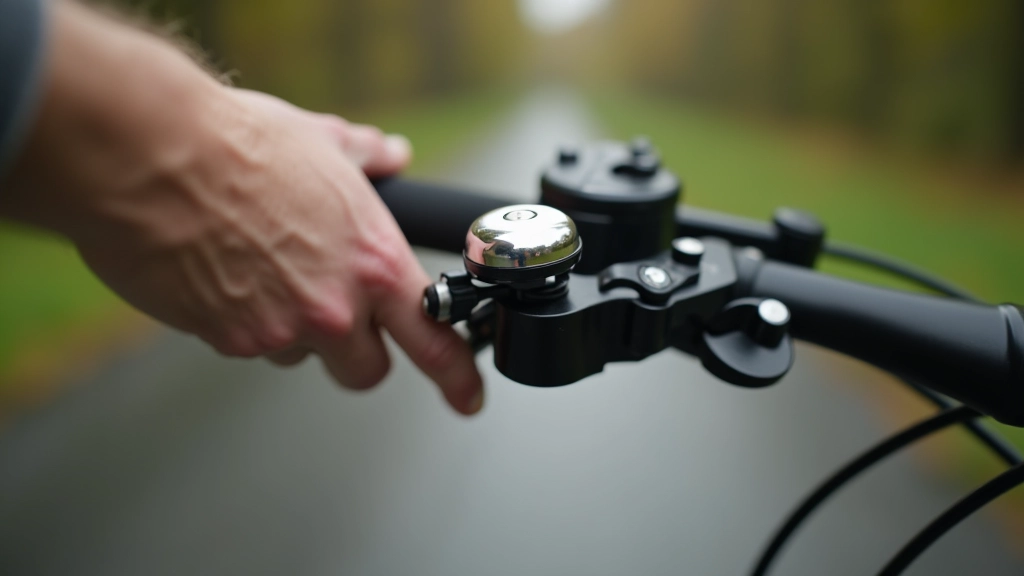
You're coming up behind a walker who's got earbuds in. They don't hear you. A simple bell ring gives them warning. They move over. Everyone's happy.
Most cyclists don't use their bells enough. A gentle ring is the greenway equivalent of saying "excuse me." It's polite and it works. Get one if your bike doesn't have it — they're about five euros.
If someone's too close to hear a bell (rare, but happens), a calm voice works just as well. "Passing on your left" is the standard call. It's clear and it tells people exactly where you are. Don't shout — just speak clearly enough to be heard over ambient noise.
When you're approaching a junction or a blind corner, slow down and make a bit of noise. Pedestrians aren't expecting cyclists to appear suddenly. Giving people time to react prevents incidents that shouldn't happen in the first place.
Bike Maintenance: Basic Checks
A bike that's not maintained is a safety risk — to you and to others.
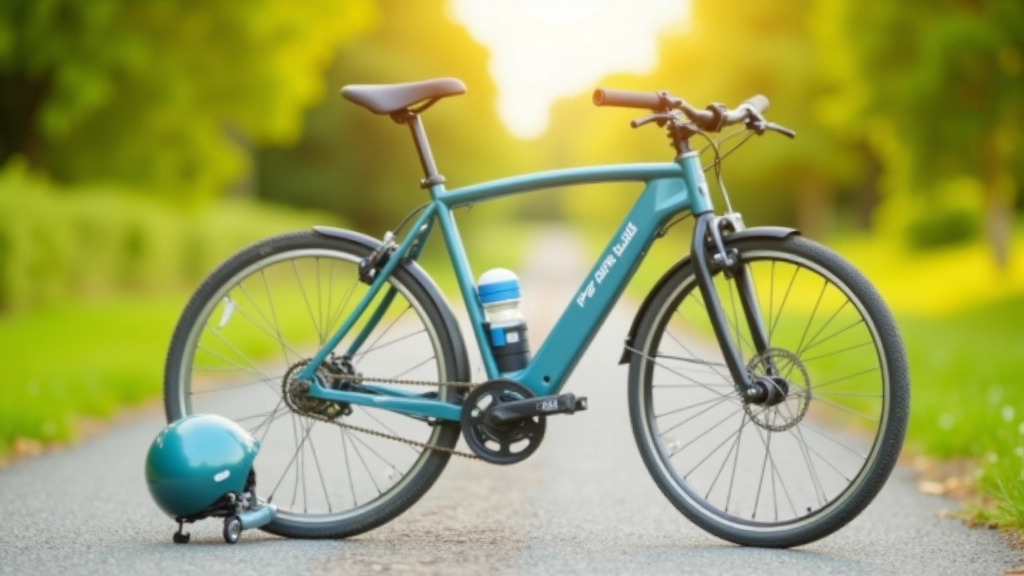
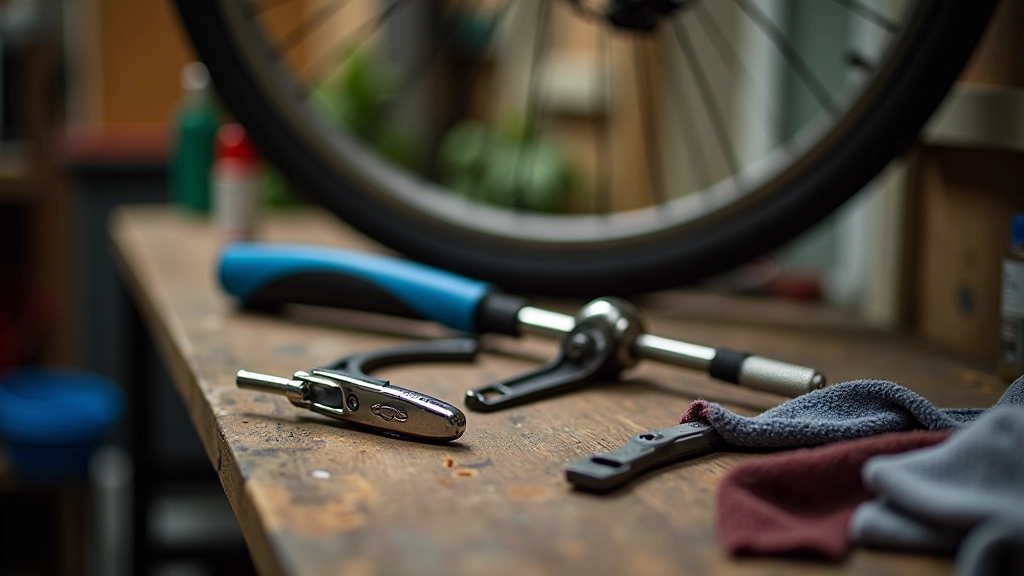
Before each ride, spend two minutes on these checks. Grab your front wheel and try to wobble it side to side. There shouldn't be play. Do the same with the rear wheel. Check your brakes — squeeze the levers and make sure they stop the wheels smoothly. No rubbing, no weird grinding sounds.
Tire pressure matters. Under-inflated tires give poor handling and puncture more easily. Over-inflated tires bounce and lose grip. Most bike tires have a pressure range printed on the sidewall — 65-85 psi for road bikes, 35-50 psi for hybrids and mountain bikes. Get a cheap pump with a gauge — they're about fifteen euros.
Chain maintenance keeps your bike quiet and running smoothly. A dry, rusty chain is a warning sign. Clean it with an old cloth and apply bike chain lube — just a small amount, not a bucket's worth. Wipe off excess. That's it.
If your brakes are rubbing, your gears are slipping, or your chain's making noise after lubing, something needs adjustment. A quick trip to a bike shop (half an hour, minimal cost) saves frustration on the path.
Weather and Conditions
Ireland's weather changes. Fast.
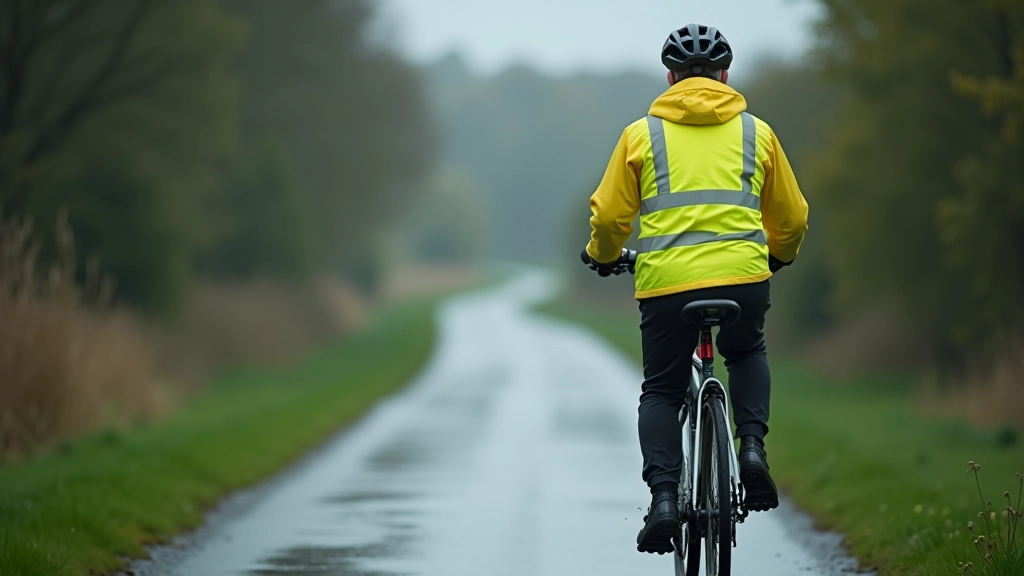
Wet paths are slippery. Traction drops significantly. Braking distance increases. If it's raining, ride slower than you normally would. Corners are more dangerous. The gravel or loose stones at the path edges are slippery when wet — avoid them.
Wet lights don't work as well as dry ones. If you're riding in rain, make sure your lights are bright enough to compensate. Some people add reflective tape to their bike or clothing — it's cheap insurance.
Fog reduces visibility for everyone. Pedestrians can't see you coming as easily. You can't see obstacles ahead as clearly. Again, ride slower and be more cautious. Lights become essential even during daytime if fog's thick.
Wind rarely causes problems on the greenway since it's mostly protected, but strong crosswinds can catch you off guard. Stay alert and ride with slight tension in your arms — not stiff, just controlled.
Frost or ice on the path? That's rare on the Athlone-Mullingar route, but if temperatures drop below freezing after rain, be extremely cautious. Shaded sections under trees are most likely to ice over. If conditions are genuinely dangerous, walking your bike is perfectly reasonable.
Simple Rules That Work
1
Keep Right
Stay to the right side of the path unless you're passing. It's predictable and gives people space.
2
Pass on the Left
When you overtake someone, go around them on their left side. Ring your bell first.
3
Slow at Junctions
Where the path crosses roads, slow down and look both ways. Don't assume it's clear.
4
Watch for Debris
Branches, stones, and broken glass cause punctures. Keep your eyes ahead.
The Real Bottom Line
Safety on the greenway comes down to being visible, being courteous, and paying attention. You don't need fancy gear or complicated techniques. A light, bright colors, a working bell, and a bit of common sense take you 90% of the way there.
Ride predictably. Communicate. Share the space. Maintain your bike. That's it. You'll have a safer, more enjoyable ride — and so will everyone else on the path.
The greenway is a wonderful resource. Let's keep it safe for everyone.
Information Disclaimer
This guide is intended as educational information about general cycling safety practices. It's not a substitute for professional instruction, proper training, or professional safety assessments. Cycling involves inherent risks. Individual circumstances, abilities, and conditions vary. Always follow local traffic laws and greenway regulations. If you're new to cycling or have health concerns, consult appropriate professionals before starting. The authors and publishers assume no responsibility for injuries, accidents, or incidents resulting from the use or misuse of this information.

Related Articles