Maintenance Guide
Essential Bike Maintenance for Trail Cycling
Simple checks you should do before each ride. We've covered tire pressure, brakes, and chain care in plain language.
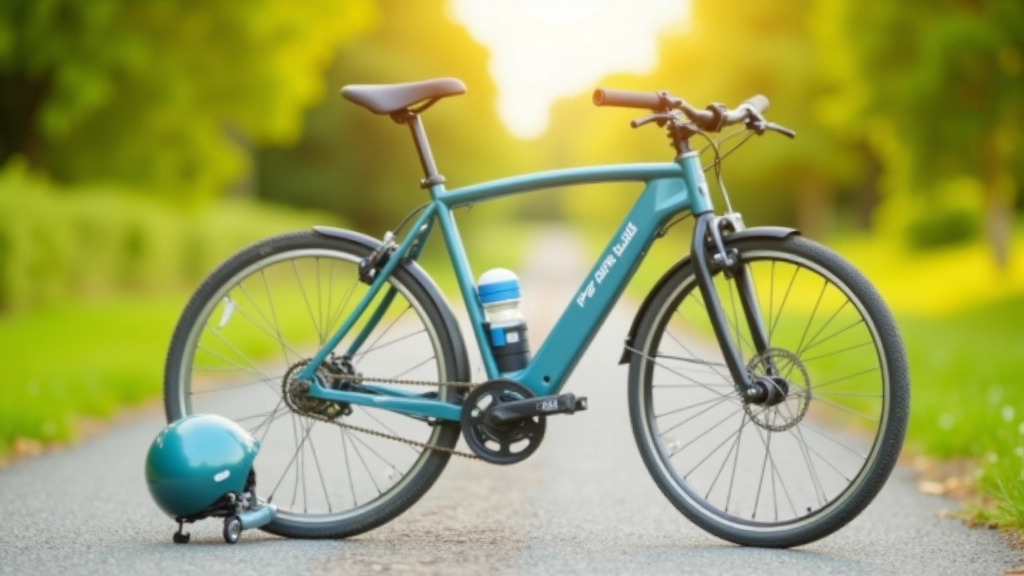
Before you head out on the Athlone to Mullingar greenway, you'll want your bike in good shape. Thing is, you don't need to be a mechanic to keep things running smoothly. Most maintenance takes just a few minutes and can be done at home with basic tools.
We're going to walk you through the essential checks — the ones that actually matter for safe, comfortable riding. These aren't fancy tricks. They're the fundamentals that'll keep your bike performing well and help you avoid problems mid-ride.
Tire Pressure and Tread
Tire pressure is the first thing to check before every ride. Flat or underinflated tires make pedaling harder and can damage the sidewalls. Plus, they're less stable on the path.
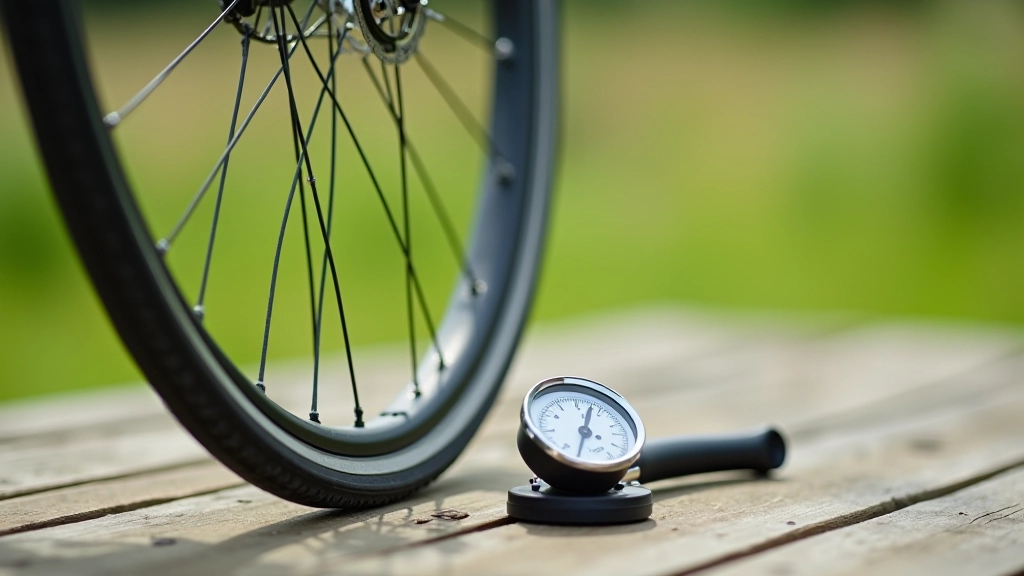
You'll need a floor pump with a gauge — they're inexpensive and last years. Most hybrid bikes use 50-70 PSI (pounds per square inch). Check the sidewall of your tire for the exact range your bike needs. It's printed right there.
Quick check: Squeeze the tire with your thumb. If it compresses more than half an inch, it needs air. Once inflated properly, you should barely be able to compress it.
While you've got the tires in view, look for cuts, thorns, or worn patches. If the tread looks smooth or you see threads showing, it's time for new tires. Worn tires won't grip well, especially on wet pavement.
Brake System Check
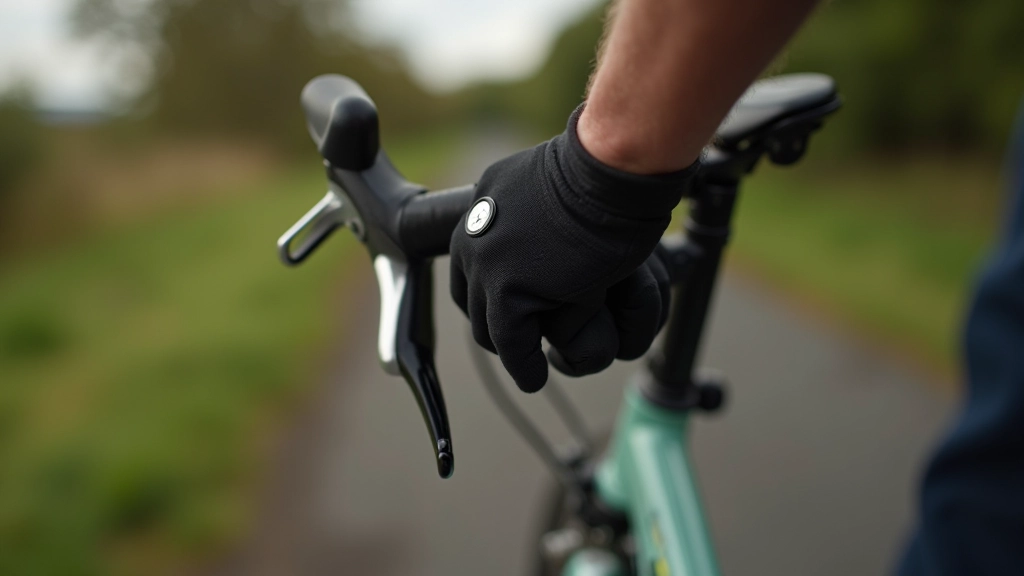
Your brakes are critical for safety on any ride. Before you leave, squeeze each brake lever firmly. The lever shouldn't travel more than halfway to the handlebar before the brake engages. If it does, the brake needs adjustment.
Look at the brake pads themselves. They should have at least 2mm of material left — roughly the thickness of a credit card. If they're thin or glazed (shiny), they're worn out. Replace them before riding. You don't want to discover bad brakes on a downhill section.
Spin each wheel and watch the brake pads. They should sit evenly on both sides of the rim without rubbing. If one side drags, the wheel might be out of true, or the brake needs realignment. Either way, get it sorted.
Chain Maintenance and Shifting
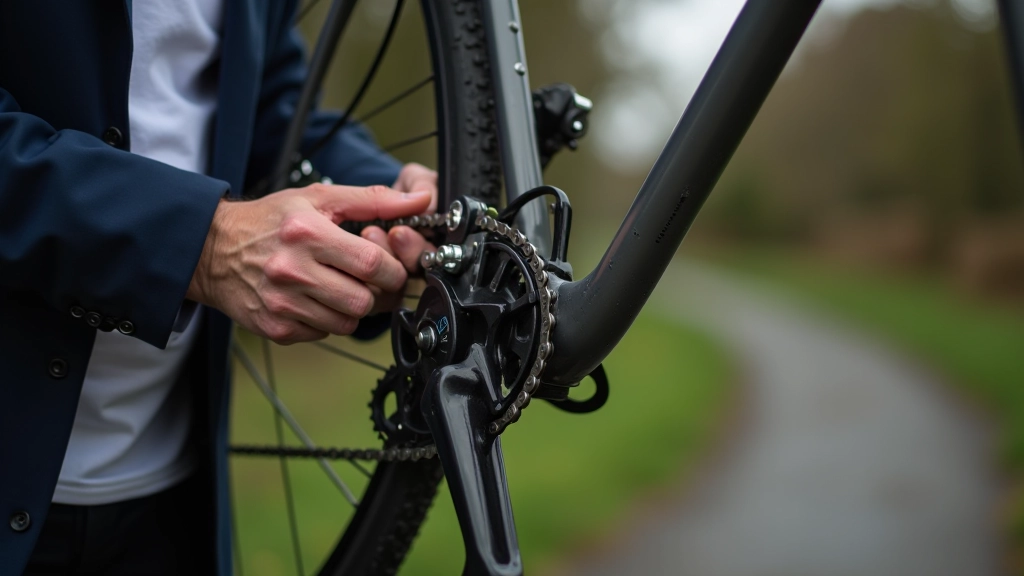
A clean, properly lubricated chain is essential. Dirt and dry chains wear faster and make shifting rough. Rotate the pedals backward while looking at the chain. You'll see how it engages with the gears.
If the chain looks dry or rusty, it needs cleaning and lubricating. Use a dry lube for trails — it won't attract dust like wet lube does. Apply it to the inside of the chain while rotating the pedals, then wipe off excess with a rag.
Shifting test: While stationary, shift through all the gears slowly. Each shift should be smooth. If the chain hesitates, skips, or won't shift into certain gears, the derailleur needs adjustment or the chain might be damaged.
Check for chain wear by pulling it away from the front ring. If you can pull it more than a quarter-inch away, the chain's stretched and needs replacement. A worn chain will destroy your gears if you don't replace it.
The Five-Minute Check Before Every Ride
You don't need to do a full service every time. But these quick checks take five minutes and prevent most problems:
1
Squeeze the Tires
Firm but not rock hard. Add air if needed.
2
Test Both Brakes
Squeeze levers fully. Should engage with good stopping power.
3
Spin the Wheels
They should rotate freely without wobbling or rubbing.
4
Check the Saddle
Should be firm and level. Wobble it to ensure the seatpost is tight.
5
Quick Shifting Test
Rotate pedals and shift through gears. All should be smooth.
Essential Tools You'll Need
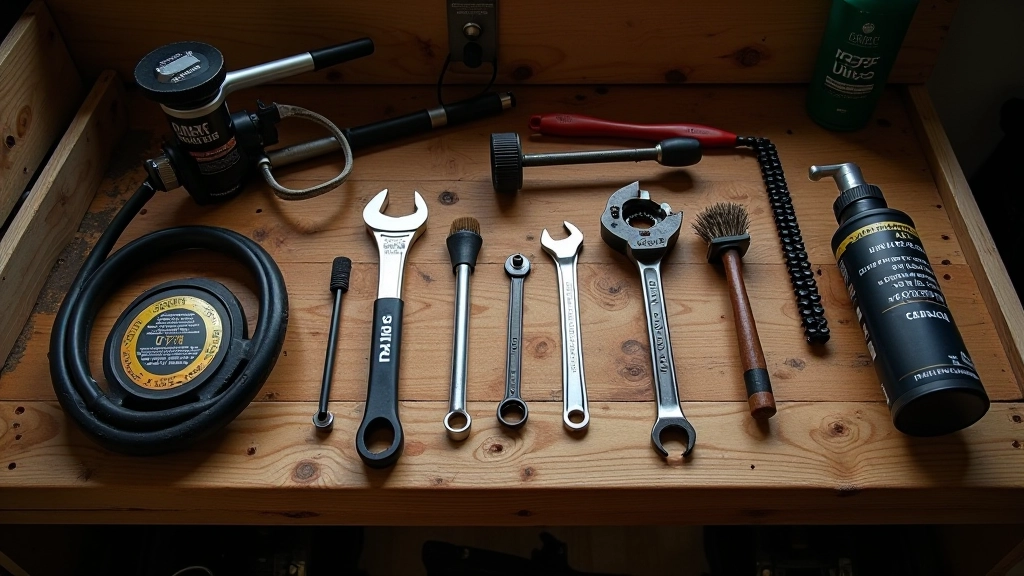
You don't need much. These basics cover 95% of home maintenance:
Floor Pump with Gauge
Inflates tires accurately. Check pressure regularly. Costs $30-50.
Allen Wrench Set
Adjusts brakes, saddle, handlebars. A basic set is $15-20.
Chain Lube
Use dry lube for trails. Keeps the chain quiet and protected.
Cleaning Brush
Removes dirt from chain and gears. Extends component life.
Keep Riding with Confidence
Regular maintenance doesn't have to be complicated. It's really about paying attention to the basics — tires, brakes, chain. Spend five minutes before each ride checking these things, and you'll catch most problems before they happen.
The greenway is a fantastic place to ride, and your bike will perform best when you're looking after it. Start with these checks, and you'll develop a feel for what healthy looks like. Over time, maintenance becomes automatic.
If you run into something that doesn't feel right — odd noises, rough shifting, brake issues — don't ignore it. A local bike shop can sort it quickly. It's worth the investment to ride safely and comfortably.
About This Guide
This article is educational information intended to help you understand basic bike maintenance. While these steps are standard and safe, every bike is different. If you're uncertain about any adjustment or repair, consult your bike's manual or visit a qualified bike mechanic. Proper maintenance keeps you safe and your bike performing well.

Related Articles